
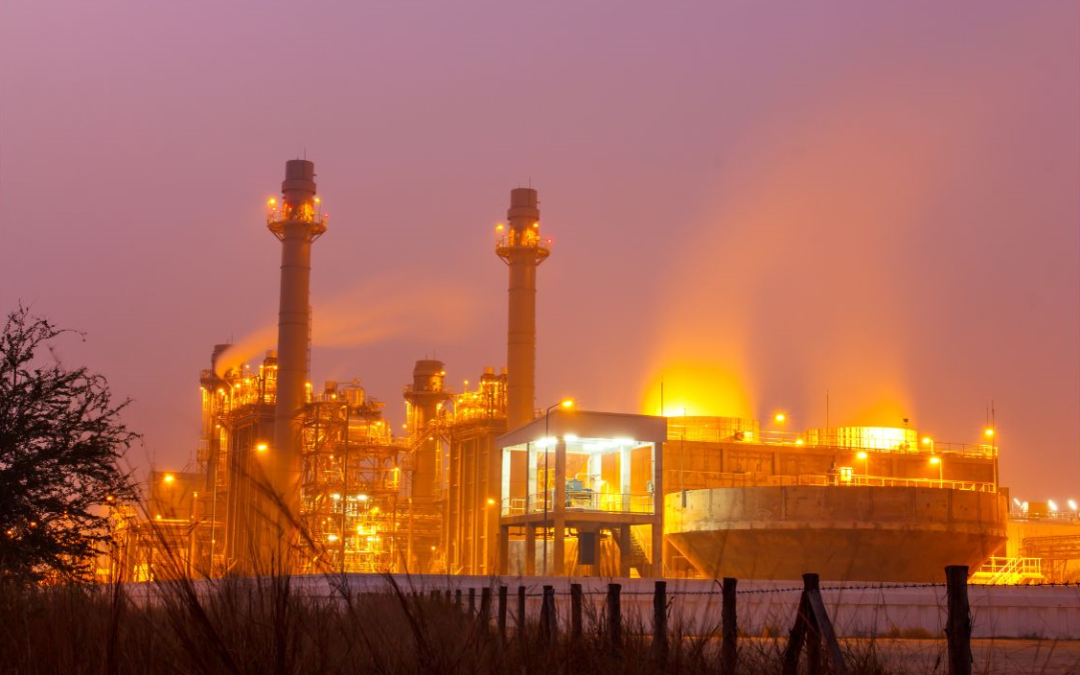
Explosion protection is essential in industries such as oil & gas, chemical processing, and manufacturing where flammable gases, vapors, or dust may be present. This article explains the basic principles of explosion protection and introduces key IECEx standards used to ensure safety in hazardous areas.
What Is an Explosive Atmosphere
An explosive atmosphere is a mixture of air and flammable substances such as gas, vapor, mist, or dust. When these substances are present under certain conditions, a small ignition source can trigger a combustion reaction that spreads rapidly throughout the mixture.
Industries handling flammable materials must carefully control these environments to prevent accidents and ensure safe operations.
Basic Explosion Principle
The concept of an explosion is commonly explained using the explosion triangle, which consists of three elements:
. Fuel – flammable gas, vapor, mist, or combustible dust
. Oxygen – typically present in the air
. Ignition Source – such as sparks, hot surfaces, or static electricity
An explosion can only occur when all three elements are present at the same time. Removing any one of these elements can effectively prevent an explosion.
In more advanced analysis, this concept is extended to the explosion pentagon, which also considers:
. Dispersion of combustible material
. Confinement of the mixture
Hazardous Area Classification
Hazardous areas are classified based on the likelihood of an explosive atmosphere being present. According to international standards, these areas are divided into:
. Zone 0 – explosive atmosphere is present continuously or for long periods
. Zone 1 – explosive atmosphere is likely during normal operation
. Zone 2 – explosive atmosphere is not likely, and if it occurs, it exists only for a short time
This classification helps engineers select appropriate equipment and safety measures.
Explosion Protection Methods
Different protection techniques are used to prevent ignition in hazardous environments:
. Flameproof Enclosure (IEC 60079-1)
Equipment is enclosed in a strong casing that can contain internal explosions and prevent flames from escaping.
. Increased Safety (IEC 60079-7)
Designed to reduce the risk of sparks, arcs, or excessive temperatures during normal operation.
. Intrinsic Safety (IEC 60079-11)
Limits electrical and thermal energy to a level that cannot ignite an explosive atmosphere, even under fault conditions.
Relevant IECEx Standards
The IECEx certification system ensures that equipment used in hazardous areas meets strict safety requirements. It is based on the IEC 60079 series of standards, which cover:
. Equipment design and construction
. Testing and certification
. Installation and maintenance
. Operational safety
These standards provide a comprehensive framework for managing explosion risks in industrial environments.
Conclusion
Explosions occur when fuel, oxygen, and an ignition source are present under suitable conditions. Understanding these basic principles is essential for preventing accidents in hazardous environments.
By applying IECEx standards and selecting the correct protection methods, companies can significantly reduce risks and maintain safe and reliable operations.