
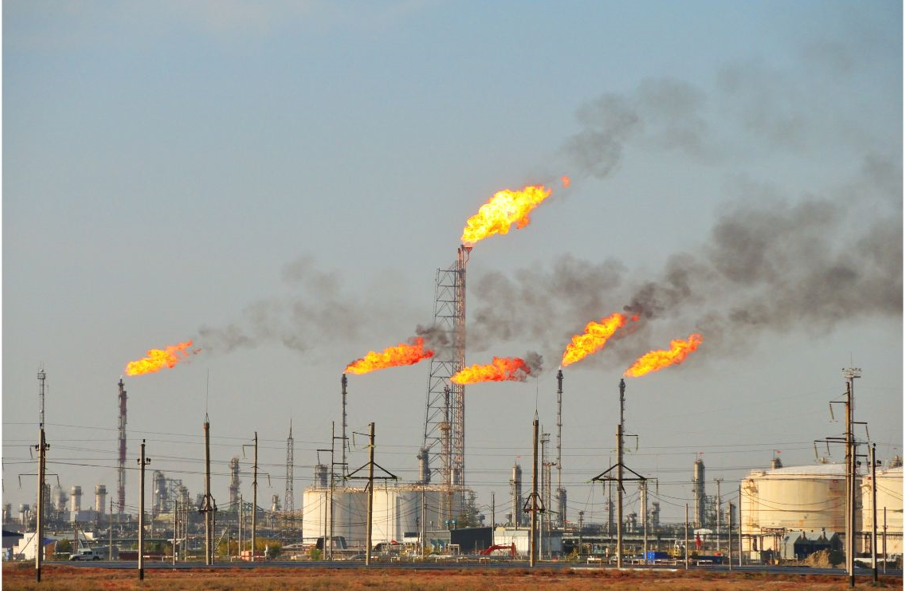
Hazardous areas are locations where an explosive atmosphere may be present due to flammable gases, vapors, or combustible dust. The classification of these areas is defined under the IEC 60079 series, which is widely used internationally for electrical equipment selection and installation in hazardous environments.
The two main categories are:
- Gas hazardous areas
- Dust hazardous areas
Applicable IEC Standards
Gas Atmospheres
• Classification of areas – Explosive gas atmospheres
• Electrical installations design and selection
• General requirements for equipment
Dust Atmospheres
• Classification of areas – Combustible dust atmospheres
• Electrical installations design and selection
• Equipment protection by enclosure “t”
Key Differences Between Gas and Dust Hazardous Areas
1. Nature of Hazardous Substance
• Gas Hazardous Area
– Contains flammable gases or vapors (e.g., methane, propane, hydrogen)
– Gas mixes with air to form an explosive atmosphere
• Dust Hazardous Area
– Contains combustible dust particles (e.g., coal dust, flour, sugar, grain dust)
– Dust can form a cloud or settle and later become airborne
IEC Area Classification System
Gas (IEC 60079-10-1)
• Zone 0: Continuous presence of explosive gas
• Zone 1: Likely presence during normal operation
• Zone 2: Not likely, and if it occurs, it is short duration
Dust (IEC 60079-10-2)
• Zone 20: Continuous or long period dust cloud
• Zone 21: Likely during normal operation
• Zone 22: Not likely, short duration only
IEC Area Classification System
Gas
• Zone 0: Continuous presence of explosive gas
• Zone 1: Likely presence during normal operation
• Zone 2: Not likely, and if it occurs, it is short duration
Dust Zone 20: Continuous or long period dust cloud
• Zone 21: Likely during normal operation
• Zone 22: Not likely, short duration only
Explosion Risk Behavior
• Gas
– Rapid mixing with air
– Explosions occur immediately once ignition source is present
• Dust
– Requires dispersion into a cloud
– Dust layers can also ignite and cause secondary explosions
Equipment Protection Methods
Gas Areas (IEC 60079 series)
Common protection methods:
• Flameproof enclosure (Ex d)
• Intrinsic safety (Ex i)
• Increased safety (Ex e)
Dust Areas (IEC 60079-31)
Common protection methods:
• Dust-tight enclosure (Ex t)
• Protection against dust ingress
Typical Industrial Locations
Gas Hazard Areas
• Oil refineries
• Gas processing plants
• Petrochemical plants
• Fuel storage terminals
Dust Hazard Areas
• Grain silos and mills
• Sugar factories
• Coal handling plants
• Woodworking industries
Key Safety Concern Difference
• Gas hazard: Immediate explosion risk in air mixture
• Dust hazard: Hidden risk due to dust layers and secondary explosions
Conclusion
The main difference lies in the type of explosive material, zoning system, and equipment protection methods. Understanding these differences is essential for safe design, installation, and operation of electrical systems in hazardous environments.