Knowledge Hub

Technical Insights & Industry Updates
ZONE 0, ZONE 1, ZONE 2 EXPLAINED IN SIMPLE TERMS (IEC 60079)

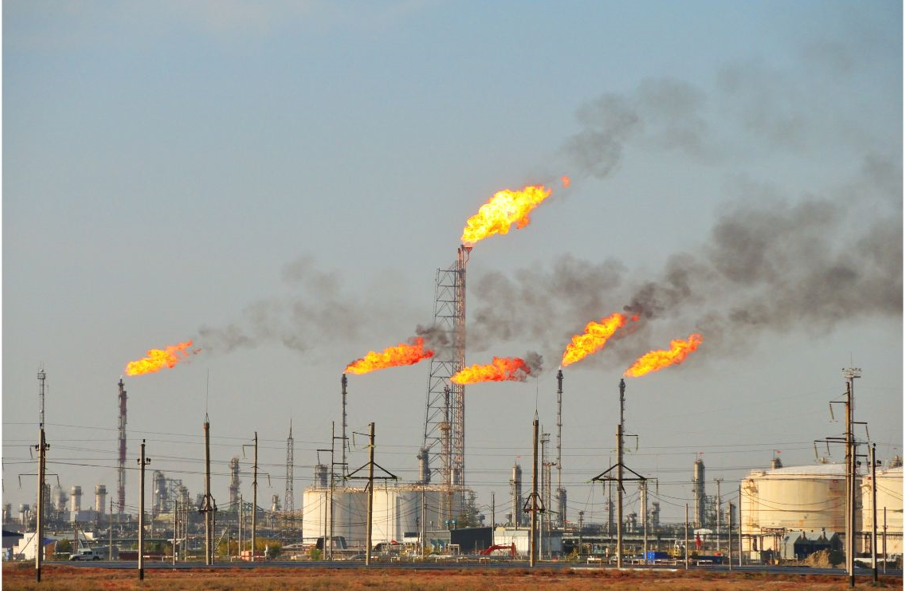
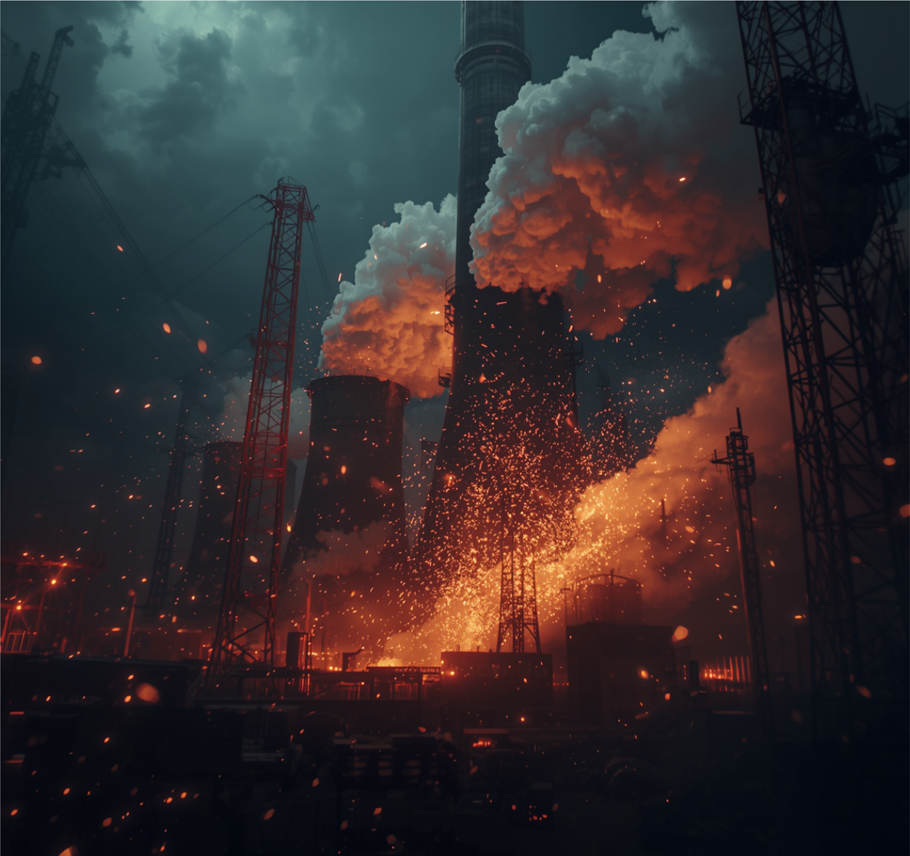
Industries like oil & gas, chemicals, and refineries use hazardous area classification to identify locations where explosive gas atmospheres may occur and to ensure safe electrical equipment is used. These areas are divided into three zones—Zone 0, Zone 1, and...

DIFFERENCE BETWEEN GAS AND DUST HAZARDOUS AREAS (BASED ON IEC 60079 SERIES)

Hazardous areas are locations where an explosive atmosphere may be present due to flammable gases, vapors, or combustible dust. The classification of these areas is defined under the IEC 60079 series, which is widely used internationally for electrical equipment...

WHAT IS HAZARDOUS AREA CLASSIFICATION (HAC) AND WHY IT IS CRITICAL?

Definition of Hazardous Area Classification (HAC) Hazardous Area Classification (HAC) is a systematic method used to identify and categorize areas where flammable gases, vapors, mists, or dust may be present in sufficient quantities to create a risk of fire or...

HAZARDOUS AREA VS SAFE AREA: WHY ZONING MATTERS

In industries such as oil & gas, chemicals, and manufacturing, understanding the difference between hazardous and safe areas is essential for preventing fires and explosions. The zoning concept, guided by standards from the International Electrotechnical...

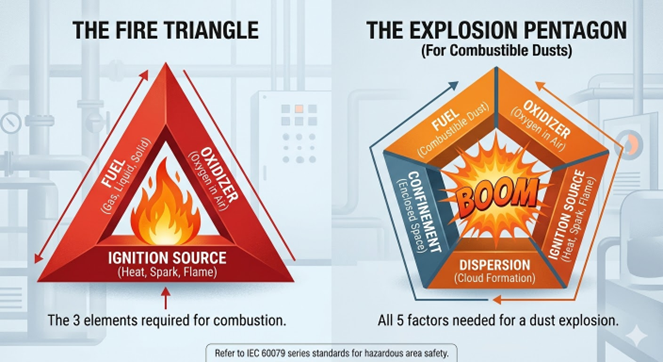
UNDERSTANDING THE FIRE TRIANGLE VS EXPLOSION PENTAGON

In high-risk industrial environments, strict adherence to international safety standards separates controlled operations from catastrophic incidents. Understanding how a fire can escalate into an explosion is crucial for IEC 60079 compliance and modern process safety...

WHAT IS EXPLOSION PROTECTION. A PRACTICAL GUIDE FOR PLANT MANAGERS

Explosion protection is essential in industries such as oil & gas, chemical processing, and manufacturing where flammable gases, vapors, or dust may be present. This article explains the basic principles of explosion protection and introduces key IECEx standards...

FLASH POINT, UEL & LEL 

Concentration of Explosive substance   Lower Explosion Limit (LEL):  The lower explosion limit is the concentration of a mixture,  that is not yet combustible  (mixture is too less)  Upper Explosion Limit (UEL):  The upper explosion...

PRESSURIZE, IEC 60079-2

IEC60079-2 Equipment Protection by Pressurized enclosure “p”  Contain specific requirements for the construction and testing of electrical apparatus with pressurized enclosures, of type of protection “p”, intended for use in explosive gas atmosphere. It specifies...

DESIGN, SELECTION, ERECTION

IEC60079-14 Design, Selection and Erection  User need to identify the following before making any design, selection and erection of any anti explosion protection device.  Standard (ATEX, IECEx , NEC 500)  ATEX 2014/34/EU     ...

ZONE CLASSIFICATION

https://www.youtube.com/watch?v=wMDsoFhrroQ Gas Group MESG  Maximum Experimental Safe Gap (MESG)  Definition: (Ref: IEC 60079-1 ) Maximum Experimental Safe Gap (for an explosive mixture ) of a joint 25mm in width which prevents any transmission of an...